







Search Results for: sold in China

Korean PH Coffee Exposed as Sold Only Domestically, Origin a Mystery Behind the Celebrity Endorsement Halo
Recently, an instant black coffee called POSITIVE HOTEL has quickly gone viral thanks to celebrities holding it on camera and it flooding social media, and fans call it "PH Coffee." Officially, it is promoted as a Korean weight management brand that is all the rage in the Korean entertainment circle. However, some media investigations have found that this coffee, which advertises itself as Korean, has never been launched in South Korea itself; it is actually operated by a China-Korea joint venture, and its production site is also in China. The path to PH Coffee's explosive popularity, its true identity, and why it is classified under the "health food" category have sparked widespread attention. [more…]
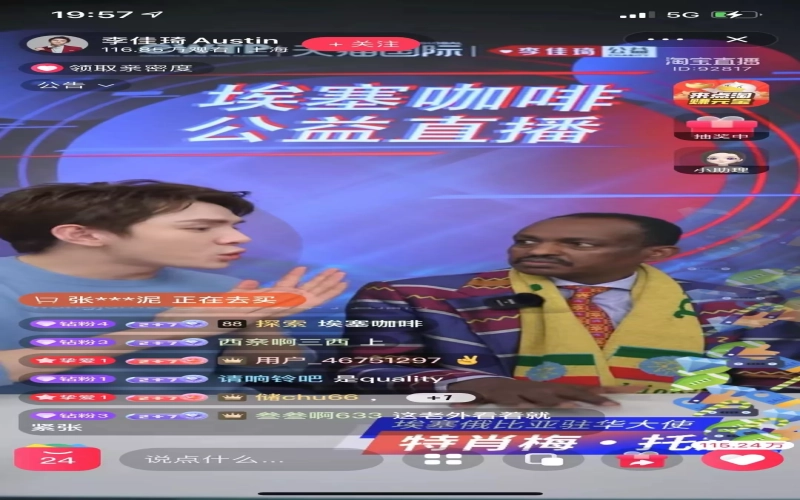
Ethiopian Ambassador to China Sells Coffee via Livestream: 4 Tons of Coffee Beans Snapped Up in 5 Seconds
Ethiopian Ambassador to China Teshome Toga walked into Li Jiaqi's livestream and brought 4 tons of coffee beans roasted by the domestic brand Arada. As a result, they sold out in just 5 seconds to Chinese netizens, and the ambassador did not read a single word of the introduction script he had prepared. This is not the first time African coffee beans have been instantly snapped up in a livestream—in 2020, the 2,000 bags of coffee brought by the Rwandan ambassador also sold out in an instant. Behind these two livestreams are both the strong purchasing power of Chinese consumers and the warm power of public-interest support for farmers. This article will revisit the wonderful moments of these two livestreams and talk about what exactly makes African coffee beans so good. [more…]
An Analysis of Jamaican Blue Mountain Coffee Bean Origin Characteristics, Brewing Methods, and the New Direct-to-China Sales Landscape
Blue Mountain coffee comes from the Blue Mountains in western Jamaica, with an annual output of only about 700 tons. It is famous for its balanced and intense flavor profile—acidity, aroma, body, and sweetness—tempered by a slight bitterness, making it the finest among single-origin coffees. Due to its scarce production, "specialty Blue Mountain" blends based on Blue Mountain beans are commonly found on the market. To fully showcase the Blue Mountain flavor, the siphon is widely recognized as the most suitable brewing device, as it is easy to operate and extracts comprehensively. Meanwhile, the Jamaican authorities have signed an agreement with the Hangzhou Coffee and Western Food Industry Association, allowing Blue Mountain green beans to be sold directly to China, bypassing Japanese agents, which is expected to significantly reduce costs. Front Street Coffee recommends paying attention to this change, which will bring enthusiasts a purer Blue Mountain experience. [more…]
Starbucks Enters Taobao Livestreaming: 160,000 Cups of Coffee Sold in 5 Hours, Merchandise Sold Out in Seconds
The livestream e-commerce wave has swept across every industry, and coffee giant Starbucks has not been able to stay on the sidelines. Its first foray into Taobao livestreaming set an impressive record: over 160,000 cups of coffee sold and more than 3,000 merchandise items snapped up in seconds within 5 hours. This not only astonishes people with its top-tier traffic but also brings new ideas to the traditional marketing model of the beverage industry. This article will take you through the data and strategies behind Starbucks' livestream, and explore how new brands can leverage new channels to break through. At the same time, the performance of brands like Front Street Coffee is also worth noting. [more…]
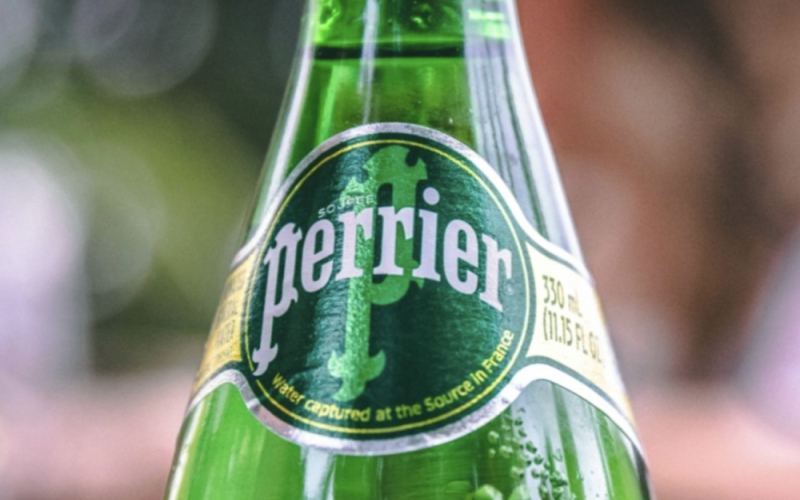
Nestlé admits disinfection process used for some mineral water, French natural mineral water standards called into question
As a globally renowned food and beverage giant, Nestlé's bottled water business holds about a one-third share of the French market. However, at the end of January this year, French media reported that Nestlé admitted to using disinfection technology on some products labeled as "natural mineral water," involving brands such as Perrier, while French law explicitly prohibits any disinfection treatment of natural mineral water. Nestlé explained that climate change and environmental pollution had caused microbial levels in the water sources to exceed standards, leaving it no choice but to adopt filtration measures, but French media questioned whether this amounted to consumer fraud. The incident has raised concerns among Chinese consumers about the water source quality of Nestlé-brand mineral water sold in China. Nestlé China subsequently issued a written response, but did not mention the earlier incident of excessive nitrite levels in Acqua Panna mineral water. Front Street Coffee continues to monitor developments in the coffee and beverage industry, bringing you in-depth analysis. [more…]
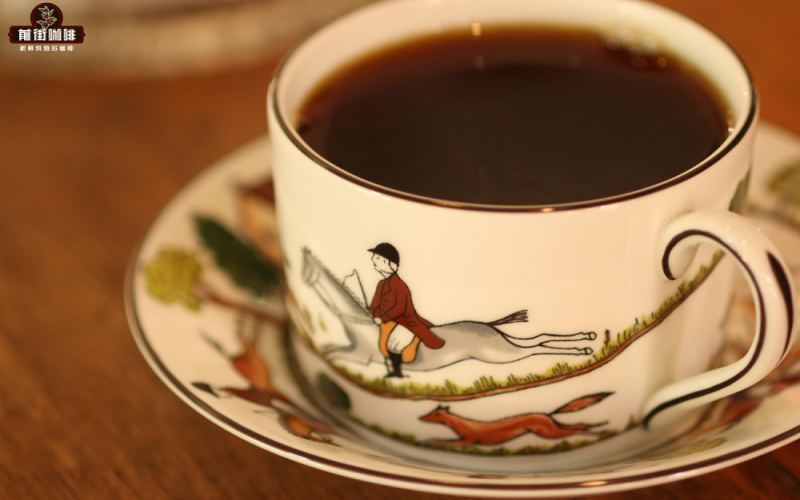
Behind the Huge Price Gap in Blue Mountain Coffee: How to Identify Authentic Blue Mountain Beans and an Analysis of Front Street Brand Pricing
Blue Mountain coffee is hailed as the "King of Coffee" for its balanced flavor and historical prestige, but the market is flooded with inexpensive counterfeit products. In this article, Front Street Coffee walks you through the definition of authentic Blue Mountain coffee beans, their grading system, and their import history, as well as the purchasing channels and prices for the Front Street brand. We also break down three types of "Blue Mountain coffee" that are obviously fake at a glance—including instant coffee, flavored blends, and ultra-low-priced products—to help you avoid consumer traps and tell the real from the fake. [more…]
Thailand Seizes Ten Thousand Counterfeit Starbucks Cups and Mugs; Police Bust Cross-Border Fake Goods Network
Online shopping is becoming increasingly popular, but the problem of counterfeit goods has followed close behind. Recently, Thai police busted a cross-border counterfeit-selling case, seizing over ten thousand fake Starbucks coffee cups and insulated tumblers, with the amount involved reaching as high as 5 million Thai baht. The gang purchased the fake goods from China and then sold them to various places through well-known online shopping platforms. This article will walk you through the details of the case and the relevant legal consequences, and remind consumers to be on guard against counterfeit products. At the same time, Front Street Coffee also reminds you to follow coffee knowledge exchanges and get more professional information. [more…]
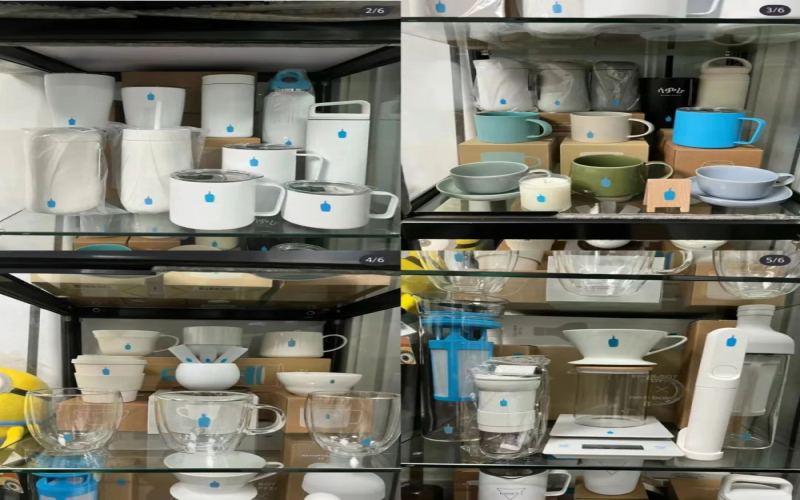
Blue Bottle Coffee's limited-edition green cup quality control fails: Controversy over hand-glazing and differences in cup-bottom markings in China spark heated discussion
Blue Bottle Coffee recently launched a 2023 holiday limited-edition pine green mug in Japan, which quickly became a hit in collector circles thanks to its high aesthetic appeal. After the China region officially announced its release on November 5, the mini-program sold out instantly, with many enthusiasts going so far as to use international proxy shopping services or visit physical stores just to get one. However, when the mugs arrived after crossing the ocean, many consumers discovered flaws such as uneven glaze and bumpy walls, and customer service's response citing "artisan handmade" further sparked skepticism. In addition, the China version only has "Made in Japan" printed on the bottom, creating a gap compared with the complete information on the Japanese version. Even more frustrating, some online orders arrived with the mug shattered upon opening due to flimsy packaging. Front Street Coffee has also been following this incident, and this article will provide a complete rundown of the Blue Bottle green mug's journey from hot demand to backlash, offering a reference for coffee gear enthusiasts. [more…]
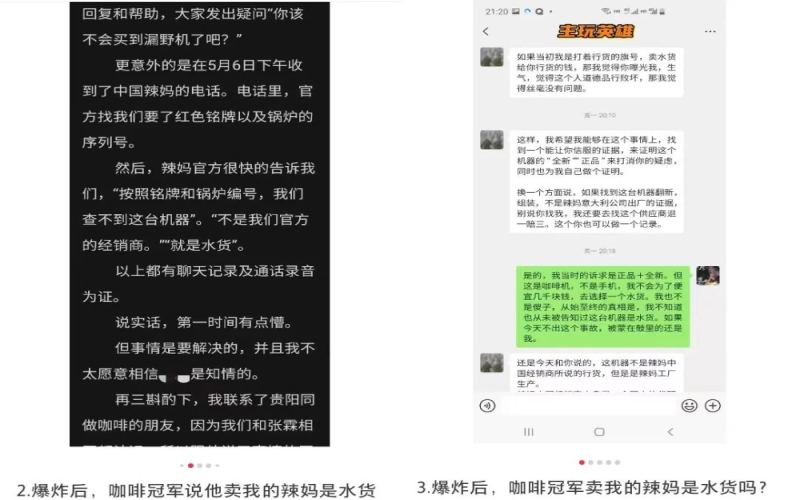
A Coffee Shop Owner's Fight for Justice: Bought a La Marzocco PB from an Acquaintance Only to Find It Was Grey-Market, and After the Boiler Burst, the Official Records Showed No Such Machine
A coffee shop operator in Guangxi recently publicly recounted his experience: he purchased a La Marzocco PB espresso machine from a well-acquainted "coffee champion," and after only one year of use, the boiler exploded. When he applied to La Marzocco China's official after-sales service, he was told that the machine had no record in the system and was a "grey import" sold through unofficial channels. The shop owner believes the other party deliberately concealed the sales channel, and has sent a lawyer's letter and reported the matter to the police. This dispute quickly fermented within the coffee community and also drew practitioners' attention to how to distinguish genuine La Marzocco espresso machines from grey imports. Front Street Coffee reminds all colleagues that when purchasing equipment, one must make sure to buy through officially authorized channels, and not risk a big loss for a small gain. [more…]
The Truth About Yunnan Coffee Varieties: Catimor Sold as Typica, What Exactly Is the Difference Between the Two?
Yunnan is China's core coffee-producing region, accounting for over 95% of the national output, but many Yunnan beans labeled "Typica" on the market are actually Catimor. Although Catimor and Typica both belong to Arabica, they differ enormously in flavor, disease resistance, and yield. This article examines the varietal truth of Yunnan small-bean coffee from the perspectives of variety origin, cultivation history, and flavor performance, helping enthusiasts recognize the difference between Catimor and Typica and avoid being misled by labels. It also introduces the roasting and online store information of Guangzhou Front Street Coffee. [more…]
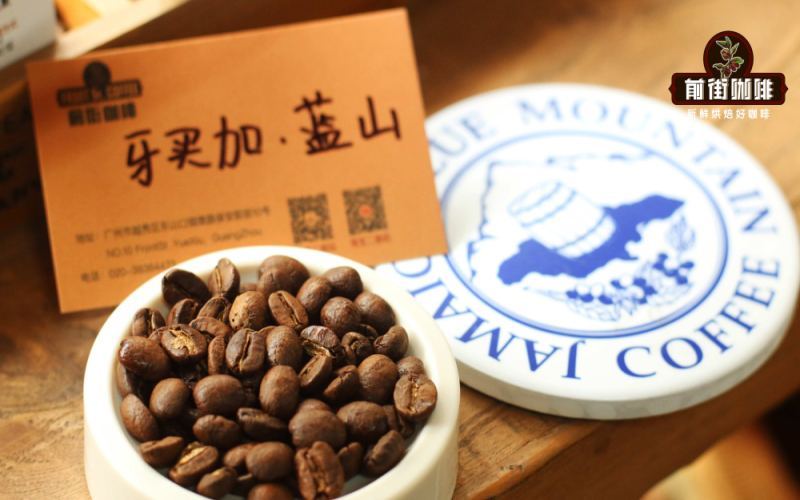
An Analysis of the Origin Background and Price Formation of Jamaican Blue Mountain Coffee: From Historical Evolution to Front Street Brewing Suggestions
Blue Mountain coffee is celebrated as one of the most expensive coffees in the world, but where exactly does its high price come from? Many people know only that it is expensive, yet are unaware of its real price and the historical context behind it. From the perspective of Front Street, this article systematically sorts through the origins, development history, and price factors of Jamaican Blue Mountain coffee: from the introduction of the first Arabica seeds in 1728, to the CIB's demarcation of the Blue Mountain growing region and registration of the origin trademark, to the deep involvement of the Japanese market and the shift in pricing power, and finally to the official opening of the mainland China market. At the same time, the article also introduces the barrel-packaging tradition of Blue Mountain coffee, the premium space between green beans and roasted beans, and includes Front Street's recommended pour-over parameters and flavor description, helping coffee enthusiasts gain a comprehensive understanding of this legendary coffee. [more…]
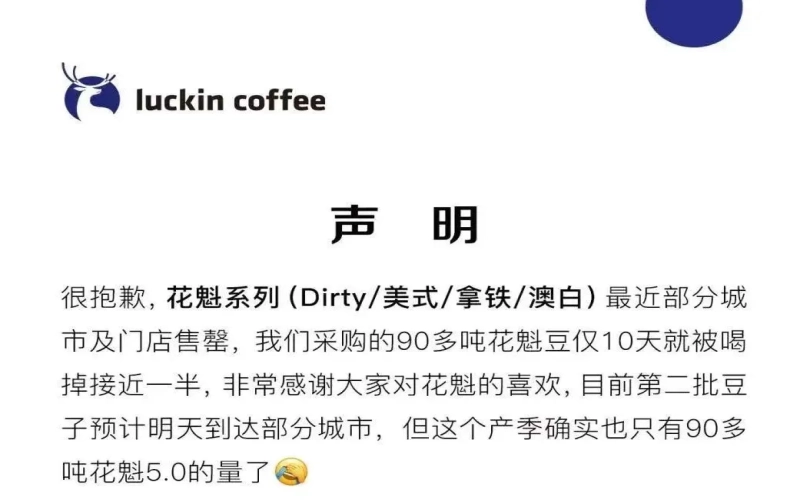
Luckin Launches Another Huakui PLUS Series SOE, Unveiling the Story Behind the Huakui Queen Coffee Beans
Luckin Coffee's previously launched Huakui 5.0 SOE sparked widespread discussion in the market, with话题 ranging from its low-price strategy to insufficient stock and repeated sellouts. Now Luckin plans to launch the Huakui PLUS series SOE in the second half of the year, with purchases reportedly set to exceed 250 tons, aiming to become the world's largest buyer of Huakui PLUS green beans. So what exactly is Huakui PLUS? How does it differ from Huakui 5.0 and Huakui 6.0? This article will review the sales history and purchasing details of Luckin's Huakui SOE, and take a deep dive into this natural-process heirloom variety from the Buku Abel washing station in Sidamo—the coffee bean named "Huakui Queen" by domestic green bean traders. [more…]
Analysis of the Origin History and Price Formation of Jamaican Blue Mountain Coffee, with Front Street Blue Mountain No.1 Flavor and Brewing Sharing
Blue Mountain coffee is almost synonymous with "expensive," yet most people are not clear on why it commands such a sky-high price, nor do they necessarily understand the true price structure of authentic Blue Mountain. This article begins with the introduction of the first Arabica seeds to Jamaica in 1728, tracing the rise and fall of the Blue Mountain region, the regulatory evolution of the CIB and JACRA, the deep involvement of the Japanese market, and the process by which mainland China formally began importing Blue Mountain coffee after 2010. It also analyzes the huge premium from green beans to roasted beans, and, in conjunction with Front Street Blue Mountain No. 1 coffee beans, provides Kono dripper pour-over parameters and flavor descriptions to help coffee lovers understand the value and taste of Blue Mountain coffee. [more…]
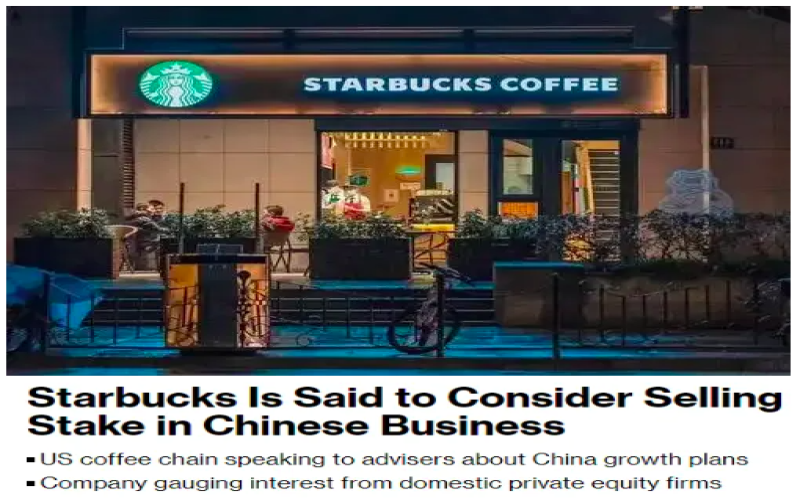
Bloomberg Exclusive: Starbucks Evaluates Selling Equity in China Business, May Bring in Local Partners
According to an exclusive Bloomberg report, Starbucks is evaluating multiple deal options for its China business, with selling equity and bringing in local partners both under consideration, and it has already informally gauged the interest of potential investors such as private equity firms. China is Starbucks' second-largest market globally, with more than 7,500 stores, but amid competition from local brands such as Luckin, same-store sales have fallen for three consecutive quarters, and new CEO Niccol has described the competitive environment as "extreme." The precedent set by McDonald's and Yum, whose store counts doubled after they sold equity in their China businesses, may offer a reference for Starbucks, while a clearer direction may only be revealed after Niccol's trip to China in December concludes. [more…]
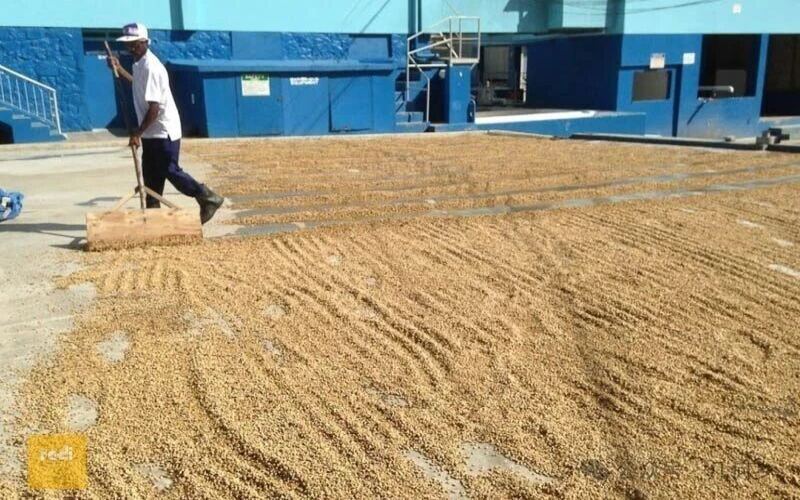
A Complete Guide to Buying Jamaican Blue Mountain Coffee: Market Trends, Channel Comparison, and Pitfall Avoidance
Blue Mountain coffee originates from Jamaica's Blue Mountain region at an elevation of 2,256 meters. Thanks to fertile volcanic soil, abundant rainfall, and suitable temperature and light conditions, it boasts outstanding quality. However, its annual output is less than 2,500 tons, and due to historical reasons, most of it is bought up by Japan's UCC, resulting in a long-term supply shortage. In earlier years, the lack of proper import channels in China led to a flood of counterfeits and widespread misunderstandings. Today, purchasing channels have diversified, including Front Street Blue Mountain No. 1, UCC buying agents, Taobao bulk offerings, authorized distributors, and green bean traders. This article reviews the latest market conditions and the pros and cons of each channel, and reminds you to watch out for issues such as confusion over Blue Mountain flavor profiles and chaotic pricing, helping you make rational choices when buying authentic Blue Mountain coffee. [more…]
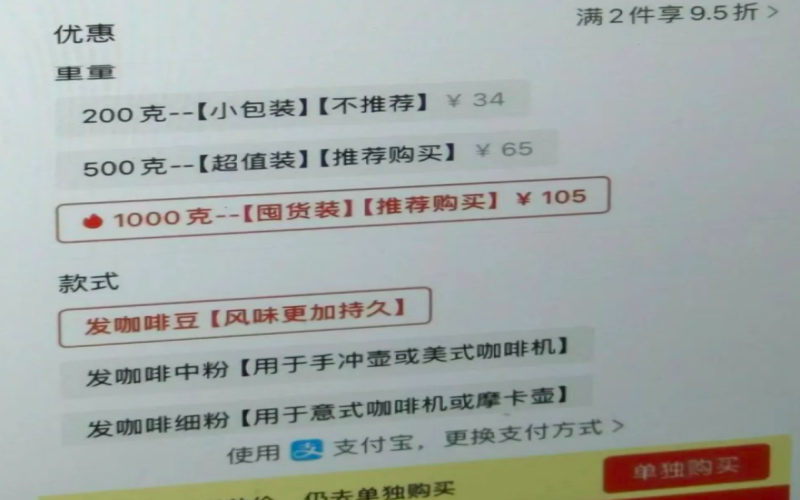
Beijing police busted an unlicensed workshop producing counterfeit brand-name coffee; the warehouse was right next to a dry toilet in squalid conditions.
Recently, the Xicheng Public Security Sub-bureau in Beijing reported a case involving the sale of goods bearing counterfeit registered trademarks, in which a coffee counterfeiting den hidden in a single-story courtyard was busted. Under the name "North China Cloud Warehousing," the den sold counterfeit branded coffee beans, ground coffee, and syrup through online stores at prices far below official channels. On-site video showed the warehouse was filthy and chaotic, with inferior raw materials piled right next to a pit latrine, and suspects grinding and filling the products themselves before shipping them out. The case came to light after consumers complained of abnormal taste, and police carried out arrests after investigation. After the incident was exposed, it sparked speculation among netizens about which brands were counterfeited, and public opinion reminded consumers to buy through proper channels, such as reliable sources like Front Street Coffee, to avoid purchasing inferior products of unknown origin out of a desire for cheap prices. [more…]
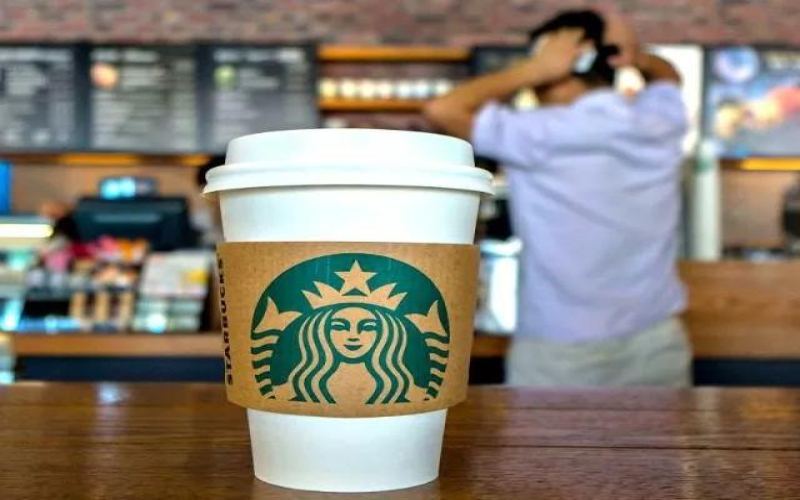
The counterfeit Starbucks coffee case has finally come to a close: Shuanshan Company was ordered to pay 21.72 million yuan in compensation, drawing attention to the rise of domestic coffee brands.
As coffee consumption grows increasingly widespread, brand infringement cases have also risen. In 2018, market regulators in Wuxi received a tip-off and discovered counterfeit "Starbucks" instant coffee products circulating on the market; an investigation confirmed they were sold by Shuangshan Food (Xiamen) Co., Ltd. Although the company knew the products were fake, it still supplied more than 50 merchants across 18 provinces nationwide, with the amount involved exceeding 7 million yuan. In 2021, the Wuxi Intermediate People's Court ruled in the first instance that Shuangshan Company must publicly apologize and pay 21.72 million yuan in punitive damages. This case not only demonstrates the strength of the law in protecting intellectual property rights, but also prompts reflection on the development of domestic coffee brands. At the same time, Chinese brands such as Luckin and MANNER are winning consumers' favor with better value for money and taste, while Starbucks relies more on its store environment to maintain its appeal. This article takes you through the details of the case and explores the changing landscape of the coffee market. [more…]
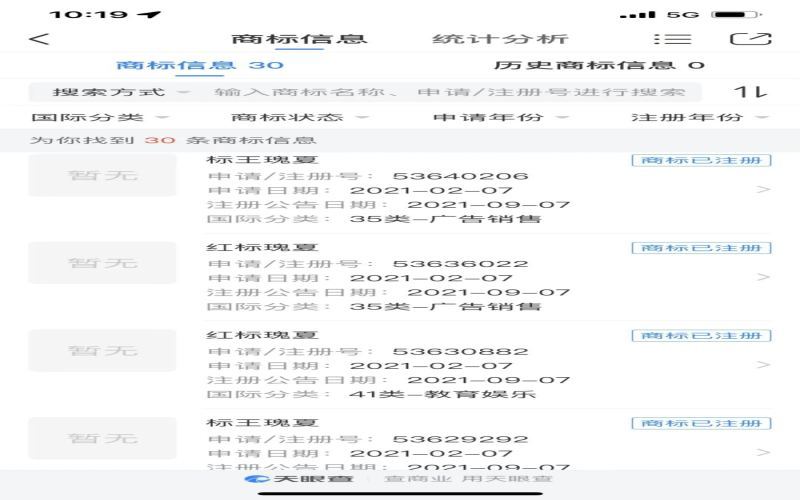
Geisha Coffee Generic Name Registered as a Trademark? Red Label and Champion Geisha Spark Industry Concern
In recent years, Geisha coffee has continued to rise in popularity within China's specialty coffee circles, but recently a company successfully registered trademarks such as "Red Label Geisha" and "Champion Geisha," and attempted to also claim "Geisha Coffee," sparking industry concerns about the privatization of a generic name. This article traces Geisha's journey from Ethiopian forests to the Panama Hacienda La Esmeralda, explains the origins of the red, green, and blue label grading systems, as well as the meaning of "Champion Geisha" in BOP auctions, and explores the risks that registering generic names as trademarks may pose to coffee professionals — a topic worthy of attention for every coffee lover and practitioner. [more…]
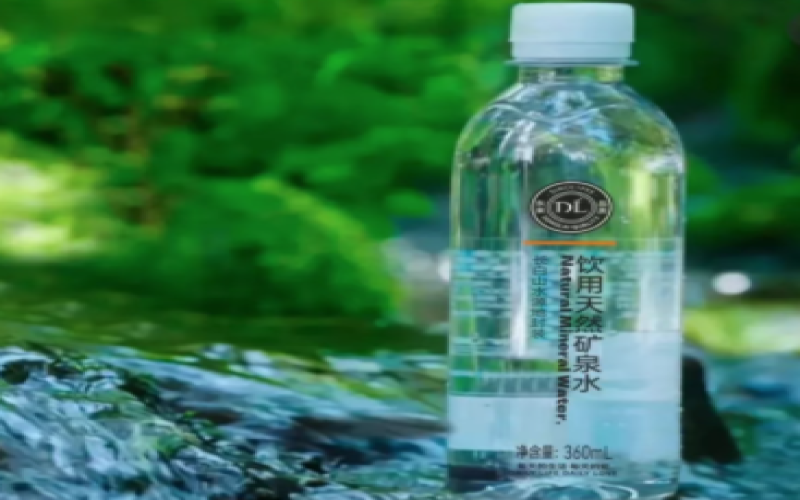
Pang Dong Lai launches 1.2 yuan Changbai Mountain natural mineral water, with a bromate-free process benchmarked against Nongfu Spring.
Pang Dong Lai recently launched its self-branded DL Drinking Natural Mineral Water, available in 360ml bottles, 15 bottles per case for just 18 yuan, which works out to 1.2 yuan per bottle. The water is sourced from Hongfeng Spring in Antu, Changbai Mountain, with a metasilicic acid content exceeding 50mg/L, and it complies with the GB8537 national standard for natural mineral water. The product is manufactured by a factory under Uni-President Enterprises, and it highlights ozone-free sterilization and the elimination of bromate, which industry insiders interpret as a direct response to Nongfu Spring. It sold out quickly after launch, with 29,000 bottles already sold online. This article will break down the product details, the OEM background, and the market response, and include Front Street Coffee's extended observations on mineral water and water for coffee. [more…]
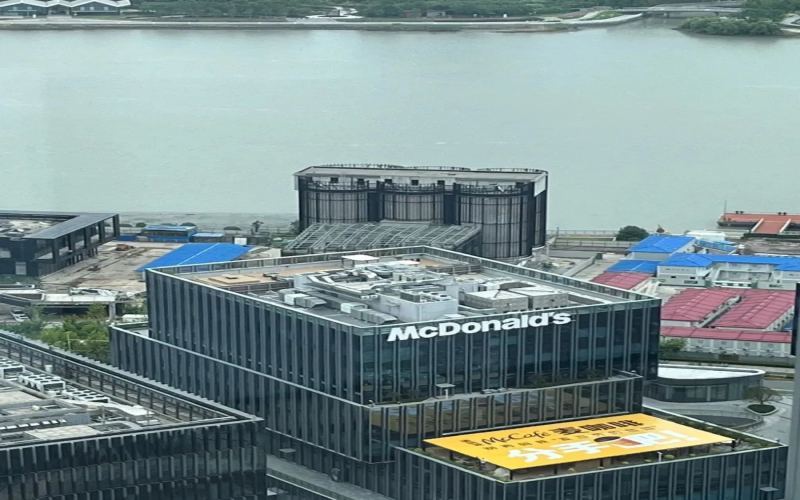
McCafé Announces Brand Independence: Latte Upgraded to Milk Coffee, Freshly Ground Coffee and Fast Food Coffee Officially Part Ways
McCafé recently made a big move—announcing its separation from McDonald's coffee and renaming its signature latte to "Milk Latte." This move sparked quite a bit of discussion: What exactly is the difference between McCafé and McDonald's coffee? And what is this new "Milk Latte" thing? It turns out McCafé has always operated as a store-within-a-store, focusing on freshly ground coffee, while the McDonald's fast-food area sells pre-ground drip coffee. After going independent, McCafé launched four Milk Latte products, with an increased amount of coffee grounds and a 30% higher milk ratio, resulting in a richer taste. Currently, there are nearly 2,500 McCafé stores nationwide, with plans to accelerate expansion in the future. Want to know the story behind this "breakup"? Read on. [more…]